What Can We Do about Counterfeit and Falsified Medicines?
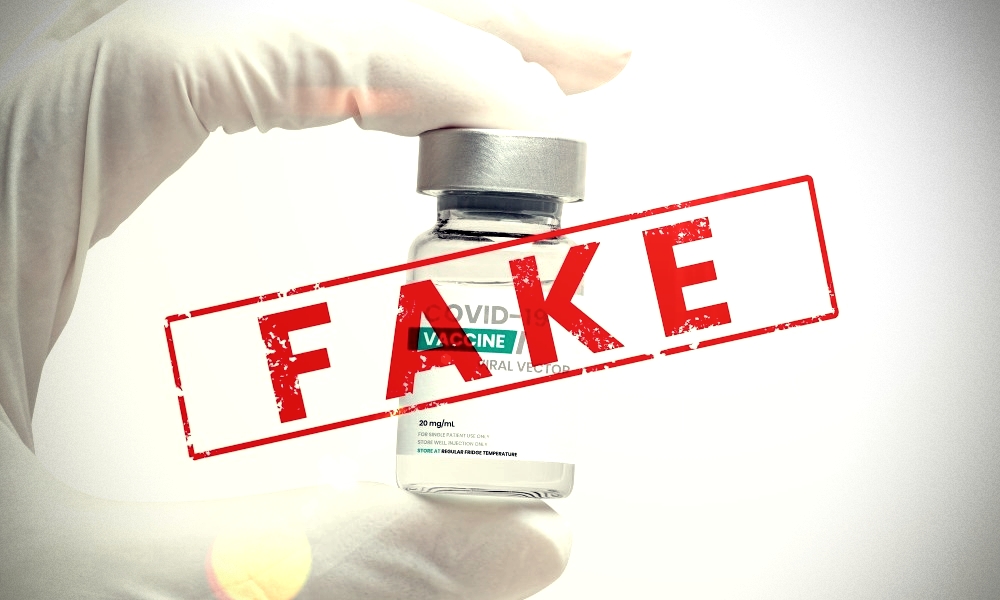
Counterfeit and falsified medicines are a global problem that poses serious risks to public health and safety.
They are products that are deliberately and fraudulently mislabelled with respect to their identity, composition, source or quality. They may contain no active ingredients, wrong ingredients, wrong amounts of ingredients, or harmful substances. They may also have fake packaging, labelling or documentation.
Counterfeit and falsified medicines can cause harm to patients, undermine confidence in medicines and healthcare systems, and contribute to the development of antimicrobial resistance.
Counterfeit and Falsified Medicines originate outside the GDP Supply Chain
According to the Medicines and Healthcare products Regulatory Agency (MHRA), the UK regulator of medicines and medical devices, counterfeit and falsified medicines are illegal and unregulated. They are often sold online through websites that operate outside the law and do not comply with the standards of Good Distribution Practice (GDP).
The Role of the MHRA
The MHRA is responsible for enforcing the Human Medicines Regulations (2012), which implement the EU legislation on medicines in the UK. The regulations provide a legal framework for the authorisation, manufacture, importation, distribution, sale and supply of medicines. They also contain provisions to prevent the entry of counterfeit and falsified medicines into the legal supply chain, such as the Falsified Medicines Directive (FMD) and the Delegated Regulation (DR). The FMD introduces mandatory safety features on the packaging of certain medicines, such as a unique identifier (a 2D barcode) and an anti-tampering device (a seal). The DR establishes a system for verifying the authenticity of medicines at different points in the supply chain, such as wholesalers, pharmacies and hospitals.
What You Can Do to Combat Counterfeit and Falsified Medicines
The MHRA works closely with other national and international authorities, such as the European Medicines Agency (EMA), the World Health Organization (WHO), Interpol and Europol, to combat counterfeit and falsified medicines. The MHRA conducts inspections, investigations, prosecutions and awareness campaigns to protect public health and safety. The MHRA also operates the Yellow Card Scheme, which allows anyone to report suspected adverse reactions or incidents involving medicines or medical devices. The MHRA encourages anyone who suspects that they have purchased or received counterfeit or falsified medicines to report it to them through their website or by calling their hotline.
Counterfeit and falsified medicines are a serious threat that requires a coordinated response from all stakeholders involved in the medicines supply chain.
By following GDP standards, complying with the FMD requirements, reporting any suspicious products or activities, and seeking professional guidance from experts like Paradigm Shift Consulting Ltd, we can help ensure that the medicines we use are safe, effective and authentic.
What To Look For
Identifying a counterfeit and falsified medicine can be challenging, as counterfeiters often try to make their products look as authentic as possible. However, there are some signs that you can look for to spot a potential fake medicine, such as:
- Spelling errors or grammatical mistakes on the packaging or the product information leaflet.
- Poor print quality or damaged packaging that suggests tampering.
- Differences in the appearance, size, shape, colour, quality or embossing of the medicine compared to an authentic one.
- Differences in the taste, smell or texture of the medicine compared to an authentic one.
- Unexpected or adverse reactions after taking the medicine.
The best way to avoid fake medicines is to buy them from a reliable source, such as a registered and licensed wholesaler or through a registered broker. Always locate and identify all suppliers and vendors of products by verifying their legitimacy to trade and supply, via an audit, the MHRA register and evidence of a current licence. (Take care to scrutinise the photo or photocopy of any documents. Digital scans are easy to falsify and manipulate.)
What We Can Do for You
Paradigm Shift Consulting Ltd is a UK-based consultancy firm that specialises in GDP compliance and training. We offer a range of services to help wholesale distributors achieve and maintain GDP standards, such as gap analysis, audit preparation, risk assessment, quality management system development, standard operating procedure writing, staff training and mock inspections. We also provide advice on how to implement the FMD requirements and how to deal with counterfeit and falsified medicines. Paradigm Shift Consulting Ltd has a team of experienced GDP consultants who have worked with various clients across the UK and Europe.
Further Assistance and Support
If you suspect that your staff's ability to spot, process and handle counterfeit and falsified medicines is not within GDP compliance, it has to be addressed as soon as possible. You can call us on 0330 133 0920 for a free 5 minute consultation, or email us with specific details at info@ukgdpassociation.co.uk.
Alternatively, you can use the contact at the foot of this page.
A short list of useful links and topics associated to this post subject is listed below.
Gov.uk (How the FMD works)
EU GDP Guidelines (2013/C 343/01) - (chapter 6.4)
WHO - Substandard and Falsified Medicines
What Is A Risk Assessment?
What Is A Quality Management System?
Product Recalls
 Guidance